

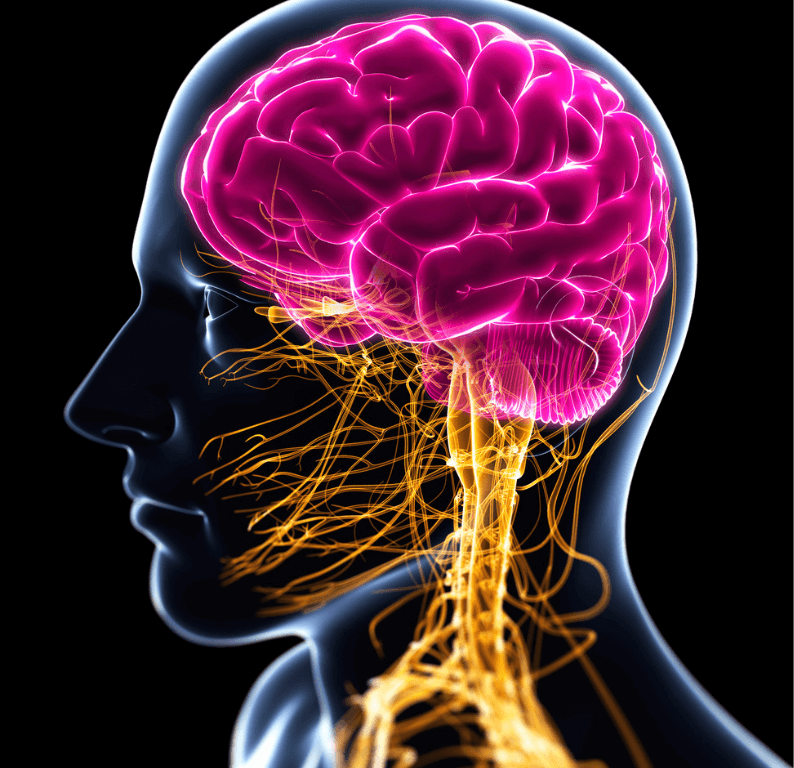
Cerebro-Spinal System.- It is responsible for controlling the functioning of the body.
It includes the parts involved in satisfying the need to ensure energy power: brain, blood macrophages, cerebral hemispheres, skull, eyes, face, upper jaw and arteries.
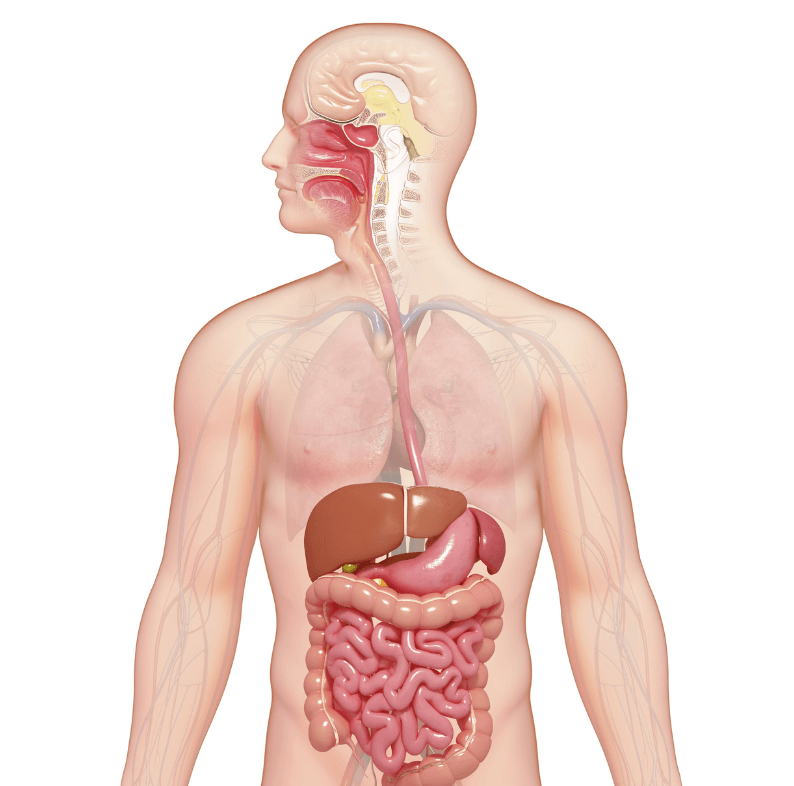
Nutritional System.- Responsible for ingesting and breaking down food and liquids for use by the body.
It includes the parts of the body responsible for nutritional functions: mouth, throat, neck, teeth, thyroid gland, tonsils, jaw, ears and cervical vertebrae.
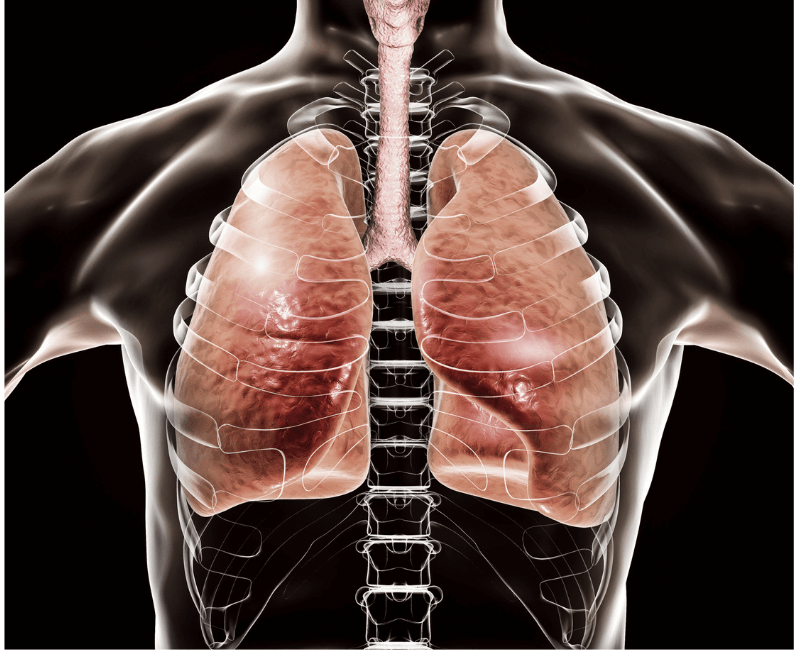
Respiratory System.- It is responsible for supplying oxygen to the blood and eliminating carbon dioxide.
It includes the parts of the body involved in the intelligent relationship with the other: the voice, larynx, lungs, respiratory tract, hands, arms, upper ribs, lungs, trachea and bronchi.
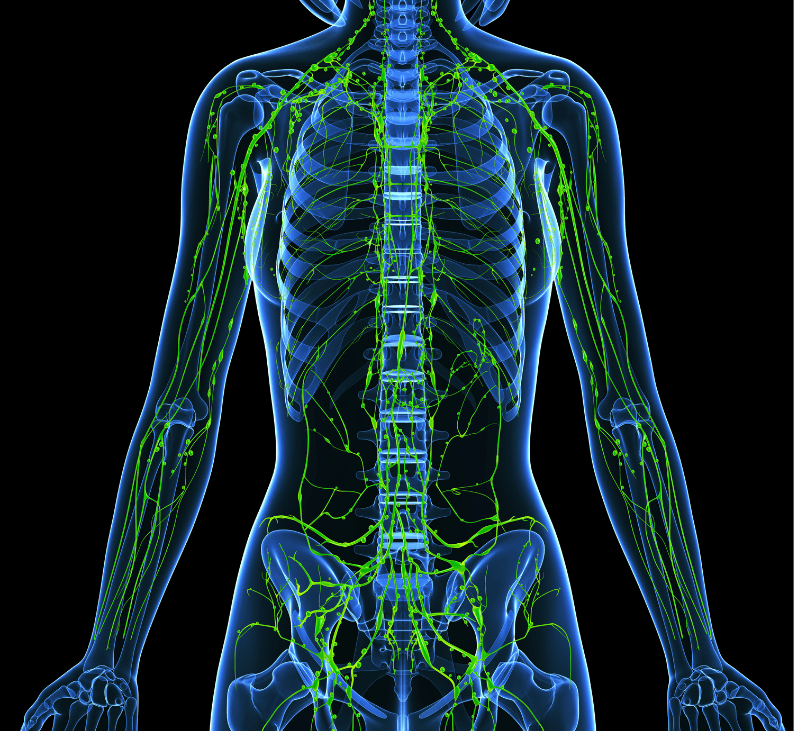
It includes the parts of the body involved in transforming any material that enters the body to renew its own energy: the stomach, the womb, all the glands, esophagus, diaphragm, thoracic duct, pancreas, blood serum, peristalsis of the stomach and its chemistry.
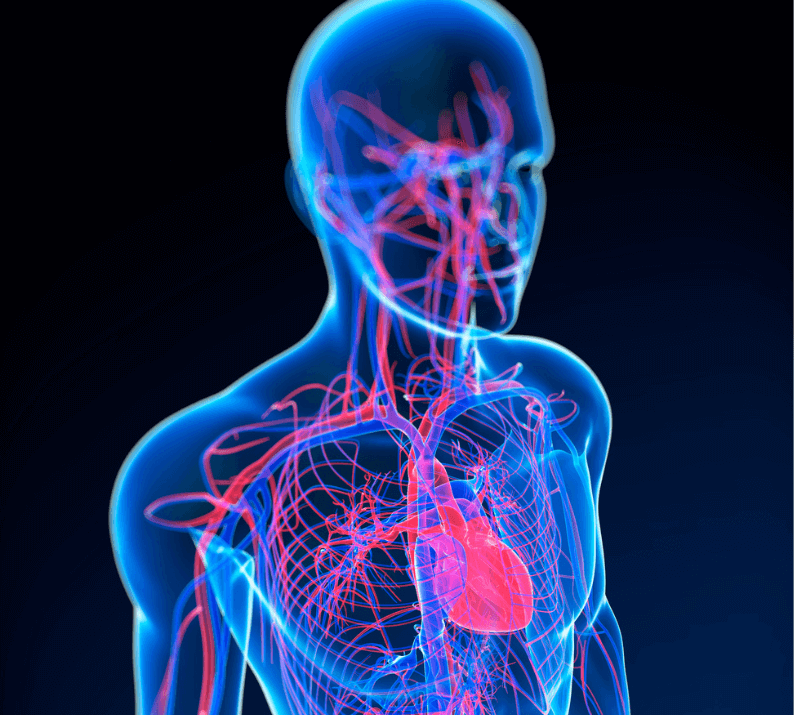
Cardio-Vascular System.- It is responsible for moving blood throughout the body, carrying oxygen and nutrients.
It includes the parts of the body involved in maintaining balance: spine, heart that regulates and synchronizes circulation, spinal cord, aorta, vena cava.
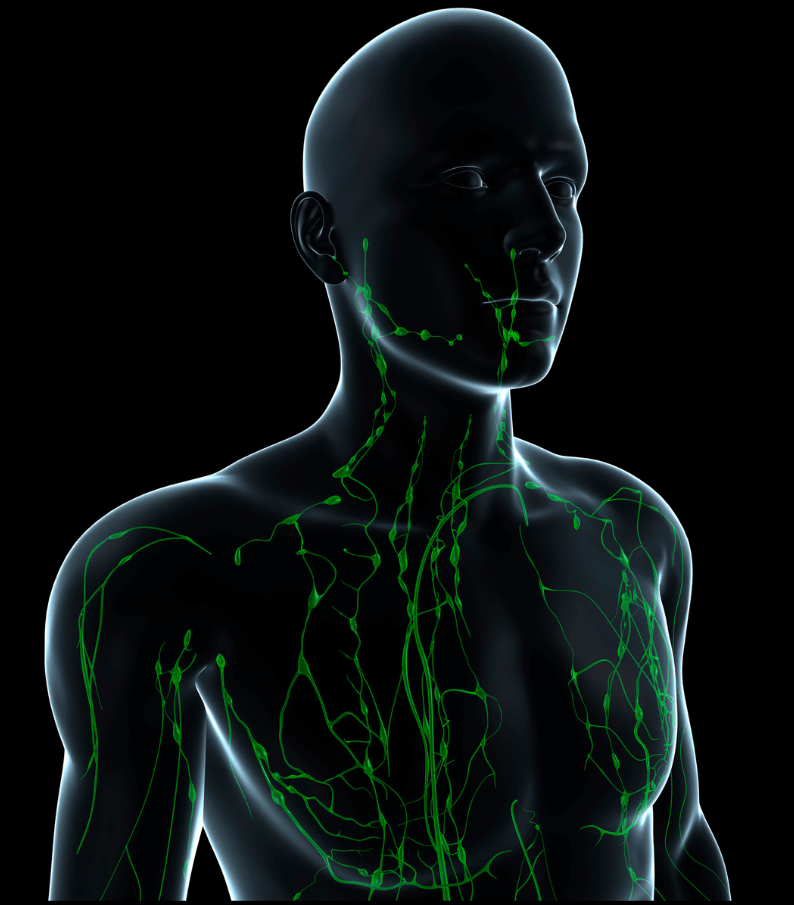
Immune System.- It is responsible for preventing and fighting infections and other diseases.
It includes the parts of the body involved in observing and defending ourselves from viruses, germs, microbes, parasites.
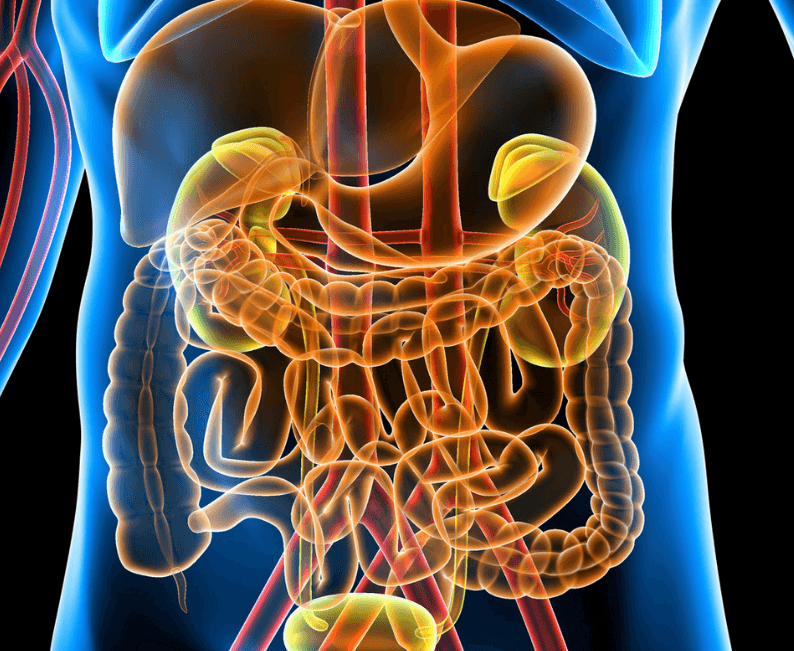
Renal System.- Parts of the body involved in transmitting and adapting the bodys matter so that it adapts to the functional purpose: The filters, the kidney, the intestines. (Gluteal, hips, cheeks adaptability system and mechanisms). Osmosis and other exchanges of substances in the body, adrenal glands.
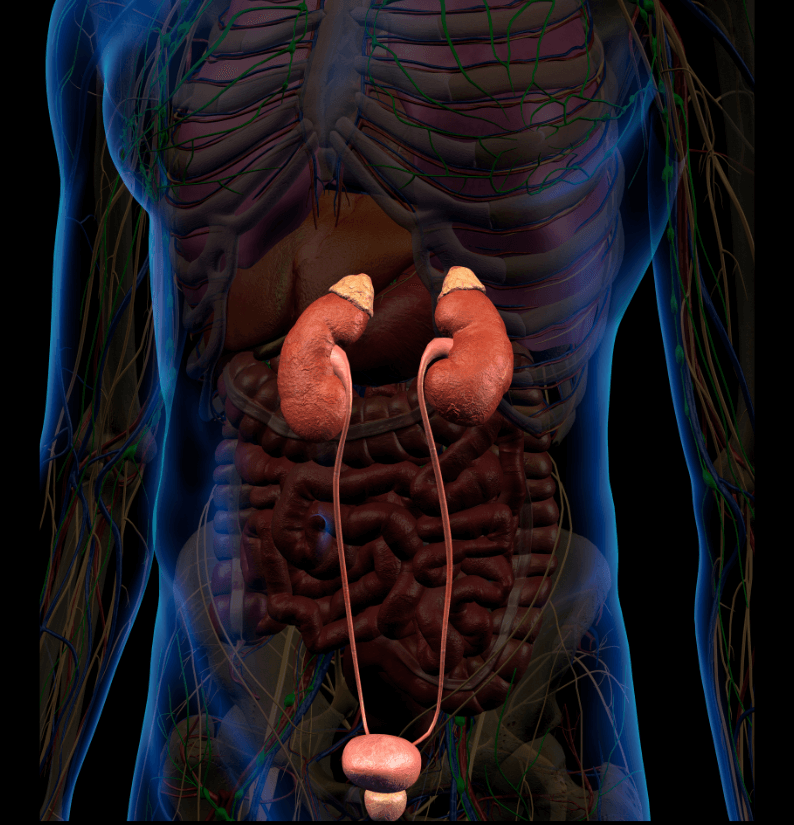
Urogenital System.- Parts of the body responsible for evaluating what enters and discarding the negative: Bladder, urethra, genitals, descending colon, prostate, nose, sigmoid flexure, nasal bone, pubic bone and the red blood-coloring matter.
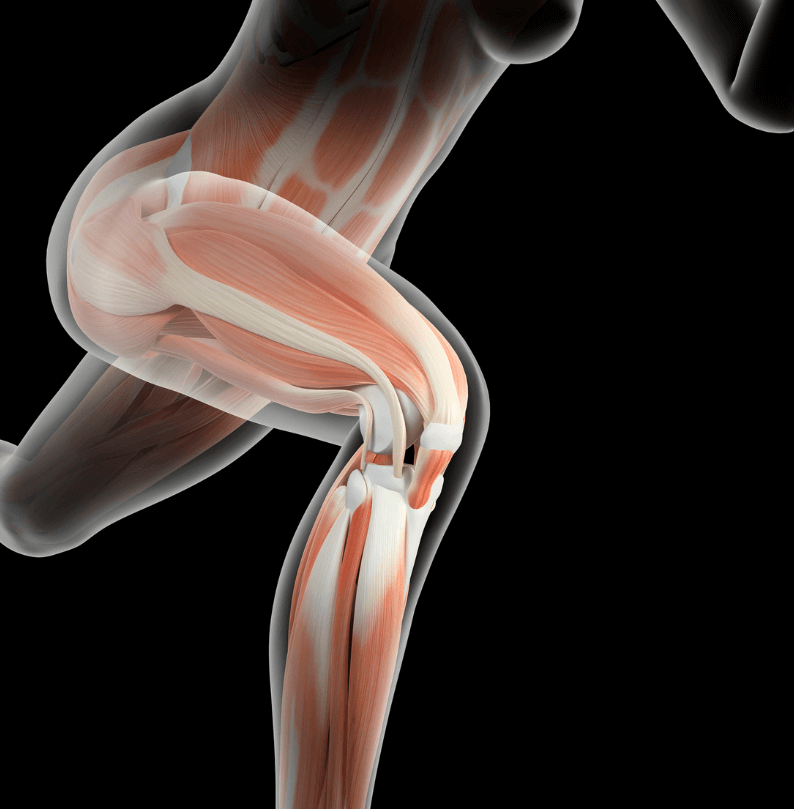
Muscular System.- Parts of the body involved in retaining and storing and then proceeding to distribute the organisms economy: liver, gallbladder, hips, ilium, thighs, axis, ganglia, back, legs, sciatic nerve and ischium.
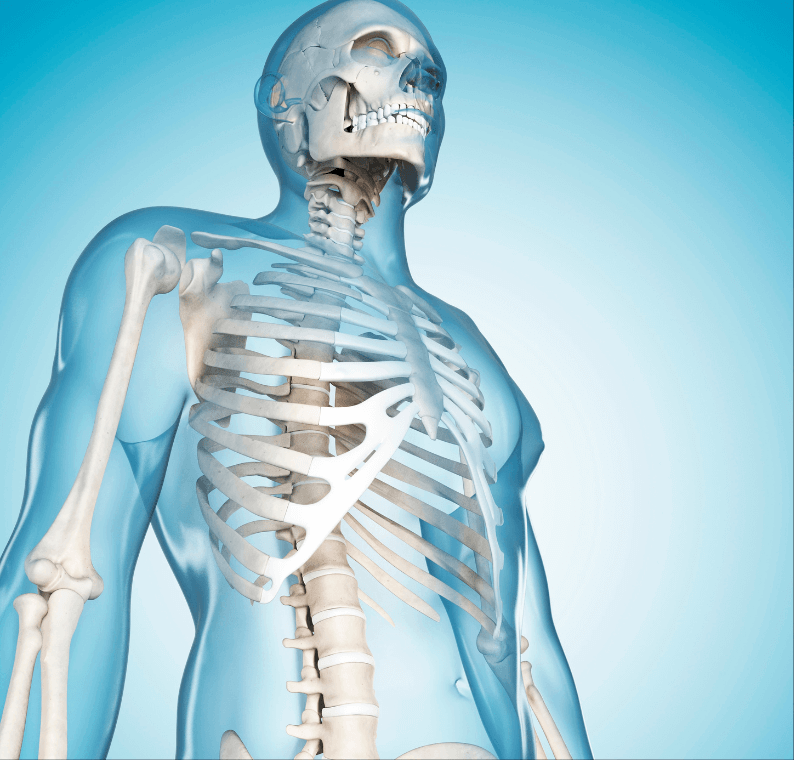
Bone System.- Parts of the body related to the solidification systems, functions of using all particles and substances to give it a solid material and practical application.
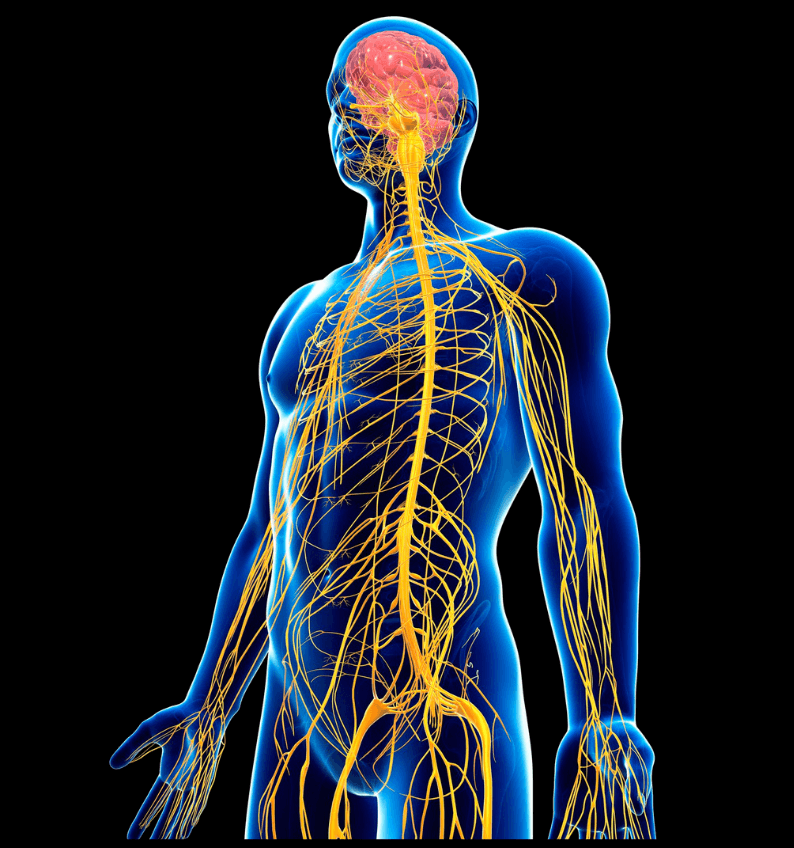
Nervous System.- Parts of the body involved in the expansion and circulation systems, whose function is to propel the organs, move them, release them, and provide movement. Circulation, bio electricity, nerves, synapses, joints, peristalsis. Governs the legs and ankles.
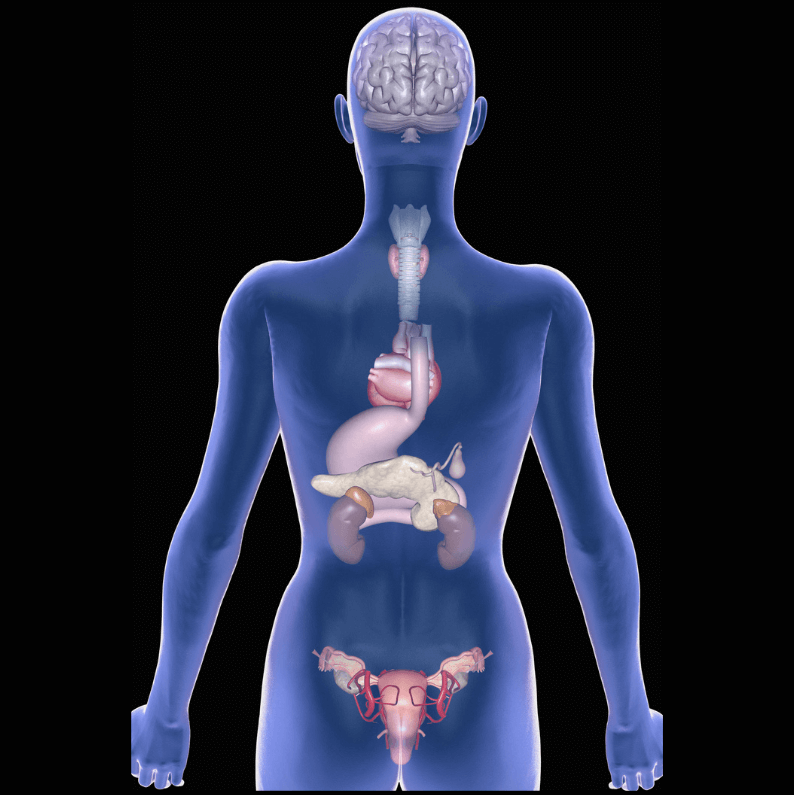
Endocrine System.- Parts of the body involved in changing the positions and situations of the body to find a better position according to ones own criteria.
It governs the feet, the fingers of these organs and the fibrins of the blood.