

1. If your predominant channel of perception is visual; It means that what you remember most is what you see and you should highlight, color and place what you are learning in a visible way.

2. If your predominant perception channel is auditory; It means that what you remember most is what you hear and you should listen or vocalize what you are learning.

3. If your predominant channel of perception is sensory; It means that, your attention is on what you do; It is very important that you write down what you are learning.

1. Choleric.- Contributes with the aspiration to achieve big goals; Fast, active, willful, with initiatives and angry humor.
He becomes negative when he does not fulfill what he offers.

2. Pragmatic.- Careful, concretizing; with the ability to establish objectives and goals; and, comply with them.
It is important that you overcome the limitation of action caused by visualizing the difficulties.

3. Sanguineo.- Optimism, knowledge and understanding that allow determining the path to achieve the objectives.

4. Reflective.- With emotion and reflection that allows you to keep the groups united, not make the same mistakes again and raise your standard of living.

1. Be a Leader.- To assume the responsibilities that always come accompanied by opportunities and motivate those around you to improve.

2. Be autonomous, To act independently, without waiting for someone to tell you what to do or waiting for someone to do what you think.

3. Be a Collaborator.- For permanent personal development, greater opportunities and gratitude.

1. Strategist
Orientation towards the Future. Visionary leadership that produces, detects and manages ideas; charts the course, creates value, designs plans and monitors their execution; With each decision, they shape the future of organizations.

2. Expert
Orientation to the present. Thanks to their capacity for judgment, reasoning and analysis, they are a valuable help in finding rational solutions to difficult problems.

3. Communicator
People orientation. Ability to transmit messages clearly, avoiding alterations, which reduces the potential for conflict. With effective communication, all parties involved are satisfied and feeling fulfilled.

4. Organizer
Process orientation. They manage to discover the best place for everything, so that once it is no longer in its place it can return to its place without any problem, since everything follows a logical order of organization. The processes guarantee the quality of the products.

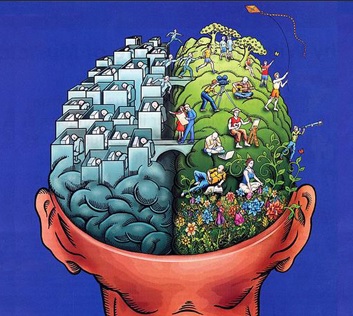
1. If the left cerebral hemisphere is the predominant hemisphere, your contribution is based on reason; functionally, scientifically; with a look from logic.
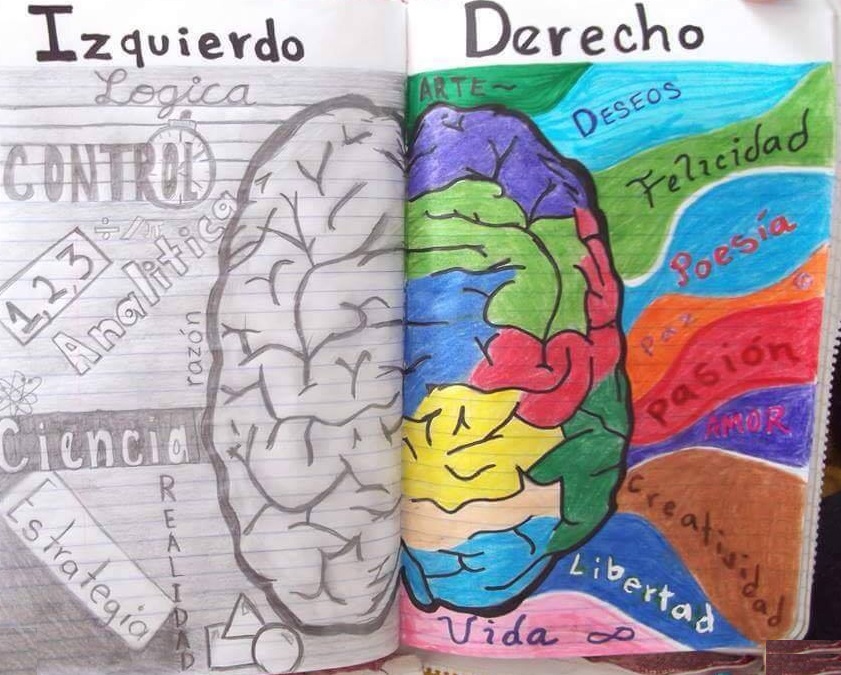
2. If the right cerebral hemisphere is the predominant hemisphere, your main contribution comes from aesthetics, from beauty and from a holistic and intuitive perspective.