1. If your predominant perception channel is visual; You can be reached through what you see; Personal image and elegance are very important to you, in addition to order.

2. If your predominant perception channel is auditory; it can be reached by ear; through what is said to him; What you hear is very important to you and catches your attention.

3. If your predominant channel of perception is sensory; it can be reached through sensation; bump into him; Fluency is very important to him, so he can sacrifice the image.

1. Be a Leader.- To assume the responsibilities that always come accompanied by opportunities and motivate those around you to improve.

2. Be autonomous, To act independently, without waiting for someone to tell you what to do or waiting for someone to do what you think.

3. Be a Collaborator.- For permanent personal development, greater opportunities and gratitude.

1. Material security.- If material things, money, are very important to us and our partner does not satisfy this aspect, we will feel the need to look elsewhere for this aspect that is so important to us.

2. Emotional security.- If the emotional aspect, affection and being treated well, are very important to us; But, in our partner we do not find this factor, we will feel the need to look elsewhere for this aspect.

3. Mental development.- If the mental aspect is very important to us, having a partner who helps us have a greater understanding of life; But, in our partner we do not find this aspect, we will feel the need to look for this aspect elsewhere.
Offer! For a single, much smaller payment, get the self-knowledge report for Personal Growth. Module I. Click.


2. Creative
A creative mind invents new paths or new creations; that have not yet been seen.

1. Quick Learning
When it requires less time to assimilate knowledge; since, the aspect to learn is induced.

2. Deep Learning
When it requires more time to assimilate knowledge; since, mechanisms are learned.



1. Introversion
Ability to feel more alive, more active and capable; in calmer environments and with less stimulation.
It is the ability to go inward; very necessary to find personal talents.

2. Extroversion
Ability to feel more alive, more active and capable; in social gatherings.
It is the ability to go outwards; very necessary to find opportunities for personal improvement.

1. Relaxed Attitude
Relaxation should be considered our natural state that fundamentally provides us with deep rest, while helping us balance our metabolism, heart rate and breathing.
It is good to know how relaxed we live.

2. Stressed Attitude
Stress is a physiological reaction of the body in which various defense mechanisms come into play to face a situation that is perceived as threatening or of increased demand.
We must learn to control it.
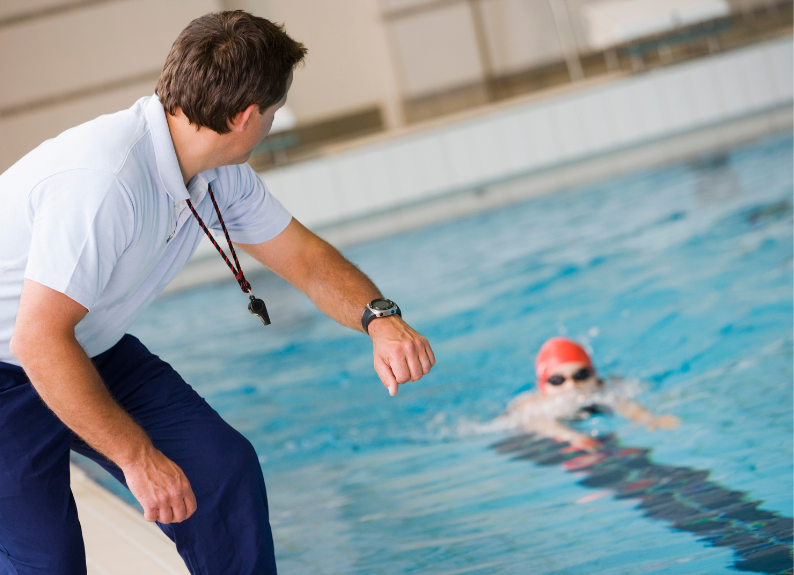
1. Strong Attitude
We are strong when we express pressure in our relationships with other people and things.

2. Kind Attitude
We are kind when we show consideration and finesse in our relationship with others.

1. Emotional Dependency
When we receive orders and accept conditions, which do not necessarily do us good, to remain in a relationship.

2. Emotional Independence
We have emotional independence when we are not dependent, accepting to end relationships that have ended.


2. Prolonged Experience
When we prefer prolonged experiences. Ex: to motivate us to travel, we want a long trip.