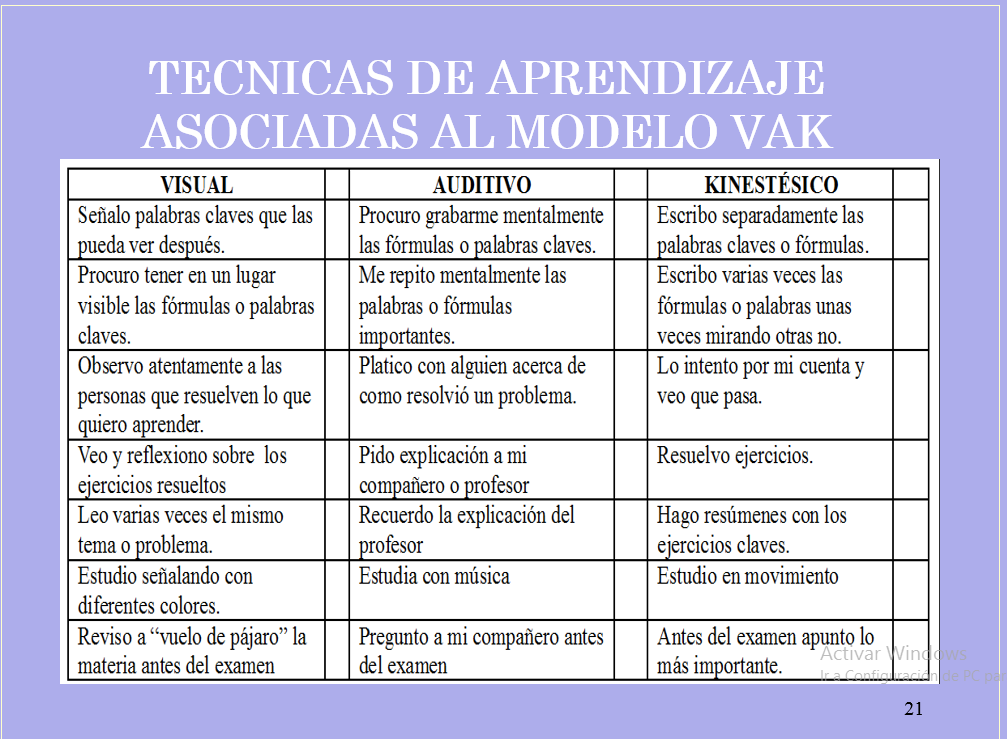

1. If your predominant channel of perception is visual; It means that what you remember most is what you see and you should highlight, color and place what you are learning in a visible way.

2. If your predominant perception channel is auditory; It means that what you remember most is what you hear and you should listen or vocalize what you are learning.

3. If your predominant channel of perception is sensory; It means that, your attention is on what you do; It is very important that you write down what you are learning.

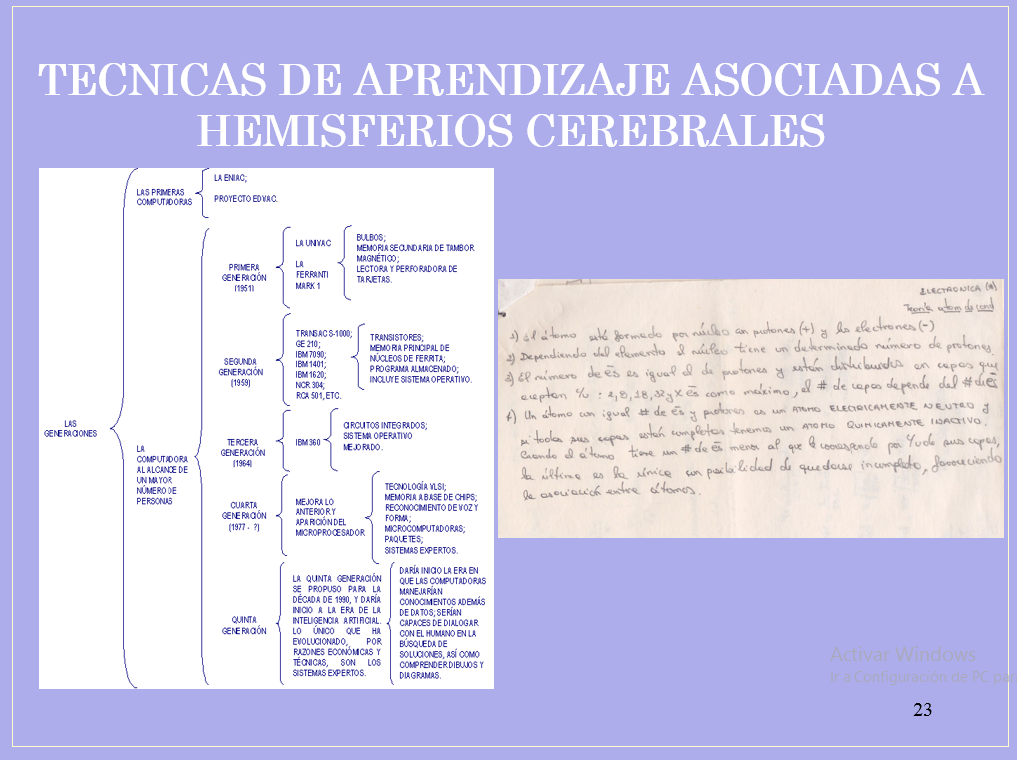
1. If the left cerebral hemisphere is the predominant hemisphere, it is easier for us to explain the parts of the learning we are acquiring; Build cards with the main concepts, they help in understanding.
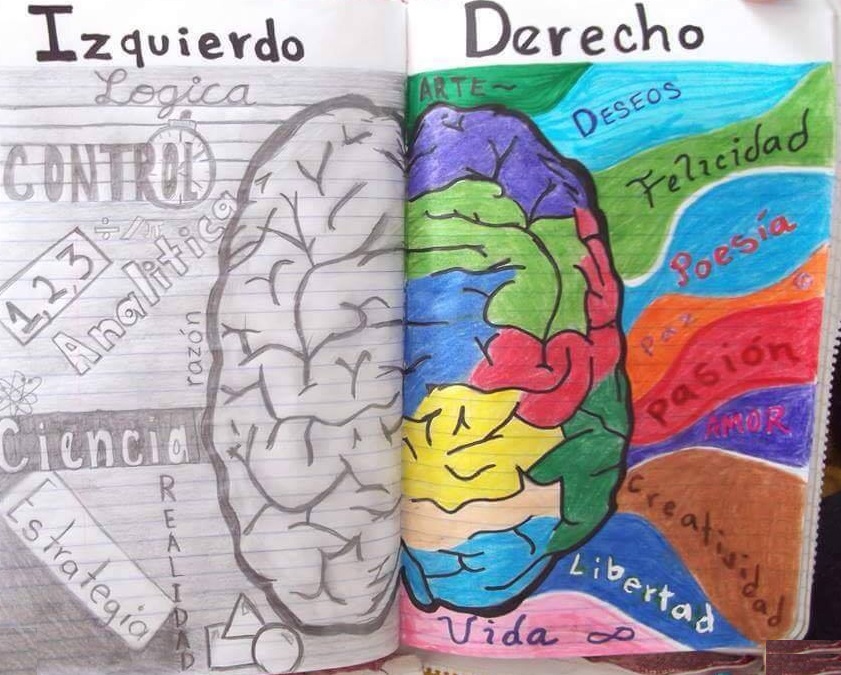
2. If the right cerebral hemisphere is the predominant hemisphere, understanding is facilitated with a global vision of learning; For this it is very important to make synoptic tables, include indices, general descriptions, etc.


2. Pragmatic.- They apply what they have learned by putting into practice the concepts acquired, as well as theories and techniques that they have learned. Realistic and agile to solve problems quickly.

3. Theoretical.- They apply what they have learned by adjusting their observations and experiences to logical and complex theories.

4. Reflective.- They apply what they have learned, considering their experiences and opportunities from different perspectives, gather data, and analyze it meticulously to reach solid conclusions. They consider all possible alternatives before undertaking a task.